

What a Full Body Checkup Can Tell You About Stress, Diet, and Routine Habits

Most people only see a doctor when something feels wrong. But by then, your body has often been sending signals for months. A complete health screening helps you catch those signals early — before they become bigger problems.
This kind of checkup looks at your whole body, not just one issue. It checks your blood, organs, and key health markers. The results can tell you a lot about what your everyday habits are quietly doing to your health.
What Does a Complete Health Screening Actually Check?
A standard full body checkup in Singapore typically includes:
- Blood tests – cholesterol, blood sugar, full blood count
- Liver and kidney function – how well your organs are working
- Thyroid levels – which affect energy, weight, and mood
- Blood pressure and BMI – basic but important markers
- Urine analysis – checks for infections or kidney issues
- Cancer markers – available in more thorough packages
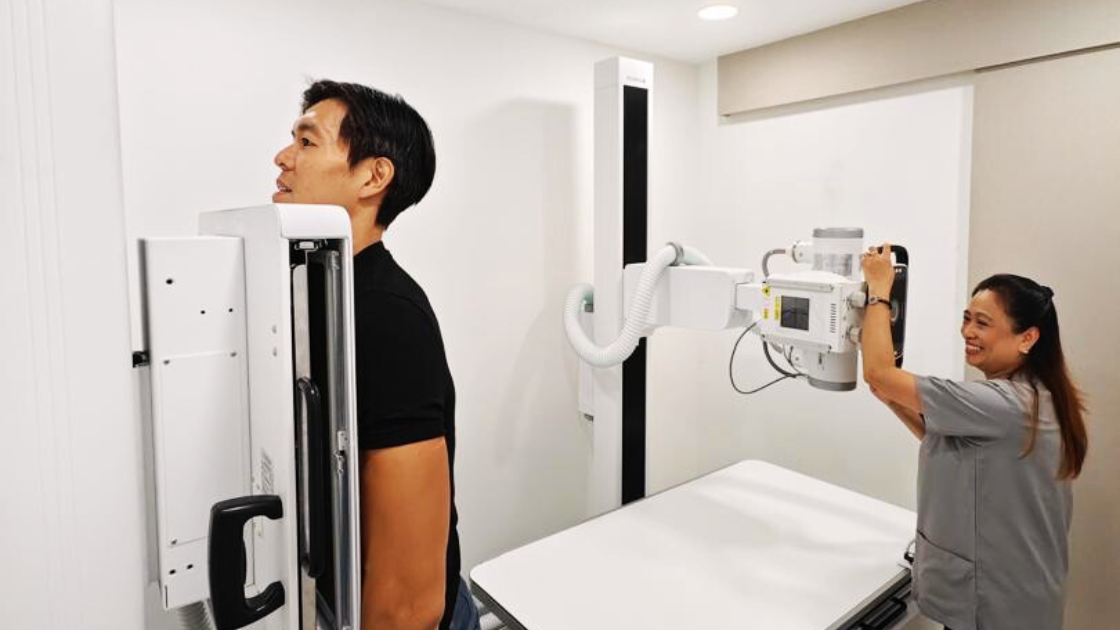
Some clinics also include a chest X-ray or ECG for heart health. The exact tests depend on your age, gender, and risk factors. Many private clinics in Singapore offer tiered packages, so you can choose a level of detail that suits your needs and budget.
How Your Results Reflect Daily Habits
Stress Shows Up in Your Body
Stress does not stay in your head. It affects your cortisol levels, blood pressure, and even your immune response.
High cortisol over time can raise blood sugar and cholesterol. It can also suppress thyroid function, leaving you tired and slow to recover. If your results show elevated markers without an obvious cause, chronic stress may be the reason.
Headaches, poor sleep, and constant tension are easy to brush off. But your bloodwork often tells a different story.
Your Diet Leaves Clear Clues
What you eat shows up in your bloodwork. High LDL cholesterol often points to too much saturated fat. Elevated blood sugar may mean too many refined carbs or sugary drinks.
Low iron or vitamin D levels suggest your diet may be lacking key nutrients. These are common in Singapore, where many people eat out often and may not get enough variety. A diet heavy in hawker staples — while delicious — can sometimes fall short on fibre, vitamins, and lean protein.
Your results give you a chance to see what your body is actually missing, not just what you think you are eating.
Sleep and Exercise Matter Too
Poor sleep raises inflammation markers and affects blood sugar control. Over time, it can also raise your blood pressure. A sedentary lifestyle shows up in low good cholesterol (HDL) and higher triglycerides.
Your doctor can look at these numbers together and get a clearer picture of how you are living day to day. Two people can have similar diets but very different results based on how much they move and sleep.
Why a Complete Health Screening Is More Than Just Numbers
Getting screened is not just about ticking a box. It gives you a starting point.
If your results are normal, that is peace of mind. If something is slightly off, you can make changes before it becomes a real health risk.
In Singapore, non-communicable diseases like diabetes, heart disease, and high blood pressure are among the top health concerns. Many of these conditions build up quietly over years. Catching them early means more options and better outcomes.
Who Should Get Screened?
You do not need to be unwell to book a checkup. As a general guide:
- From age 40 onwards – annual screening is a good idea
- Younger adults – every two to three years if no known risk factors
- With a family history of chronic disease – start earlier and screen more often
The Health Promotion Board (HPB) in Singapore also offers subsidised screening through Screen for Life. Singaporeans and Permanent Residents can access this at CHAS GP clinics at a low cost or even for free, depending on eligibility.
What to Do With Your Results
Do not just file the report away. Go through it with your doctor.
Ask what each number means. Find out which results are borderline and what changes might help. Small adjustments — like cutting back on processed food, getting more sleep, or adding a daily walk — can shift your numbers over time.
Your results are also a useful record. Comparing them year on year helps you see trends. A number that creeps up slowly over three years is worth addressing, even if it still sits within the normal range.
If anything needs follow-up, book it. Waiting rarely helps.
A Simple Step That Pays Off
A complete health screening gives you real information about how your body is doing right now. It reflects your stress levels, your eating habits, and your daily routine — all in one report. Use it as a tool, not just a formality. The earlier you know, the more you can do about it.