
What Are Mobile Medical Services and How Do They Work?

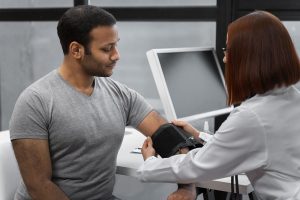
Mobile medical units offer flexible healthcare by reaching people directly where they are, removing barriers caused by distance or incomplete accessibility. These solutions, including desert mobile medical services , operate through portable facilities equipped with professional staff and essential equipment, ensuring service to areas with limited infrastructure. They combine mobility with immediate care delivery, adapting to varying needs while maintaining quality, helping more people access healthcare without traveling long distances. Such services are transforming how communities stay healthy, offering efficient ways to receive support closer to home.
Purpose of Mobile Services
They are designed to extend healthcare support, reaching communities without easy access to permanent clinics. These services improve wellness availability by addressing gaps in physical access, delivering prompt attention when required.
Types of Services Provided
- General health assessments are available in accessible mobile locations
- Wellness monitoring enabling the detection of potential conditions
- Immediate care when urgent situations arise
- Ongoing guidance for community health improvement
How They Operate
Specialized teams travel with fully stocked units containing necessary tools to manage routine wellness checks and urgent cases. Each visit is scheduled or arranged based on immediate community needs.
Scheduling Visits
- Units operate based on rotating schedules guided by community demand
- Visits may respond to specific needs raised locally
- Timely arrival supports reliable service delivery
- Resource allocation considers ongoing requirements

Essential Equipment
Mobile units include diagnostic devices, portable examination tools, documentation systems for patient records, and basic supplies vital for immediate assessments. These resources are compatible with a wide range of needs.
Benefits to Communities
They remove long travel requirements, offer timely interventions, supplement permanent facilities, and boost overall preventive care participation rates for remote populations.
Funding and Support
- Often backed by service organizations encouraging outreach
- May receive specialized sponsorship for equipment upgrades
- Collaborative efforts keep services sustainable
- Community involvement assists operational stability
Staffing and Expertise
Trained personnel manage these units, ensuring proper examination, documentation, and treatment steps. They adapt to environmental factors while maintaining efficiency and patient trust.
Communication Methods
Public updates about upcoming visits are shared through community channels, ensuring residents know when and where services will be available.
Ongoing Improvements
A commitment to enhancing care retains these services, developing, and adding better technologies, procedures, and approaches for wider reach and better results over time.
The desert mobile medical services provide solutions for places where healthcare locations are limited. By expanding access, they contribute to healthier populations while meeting diverse needs. Continued support and adaptation will sustain their positive impact.